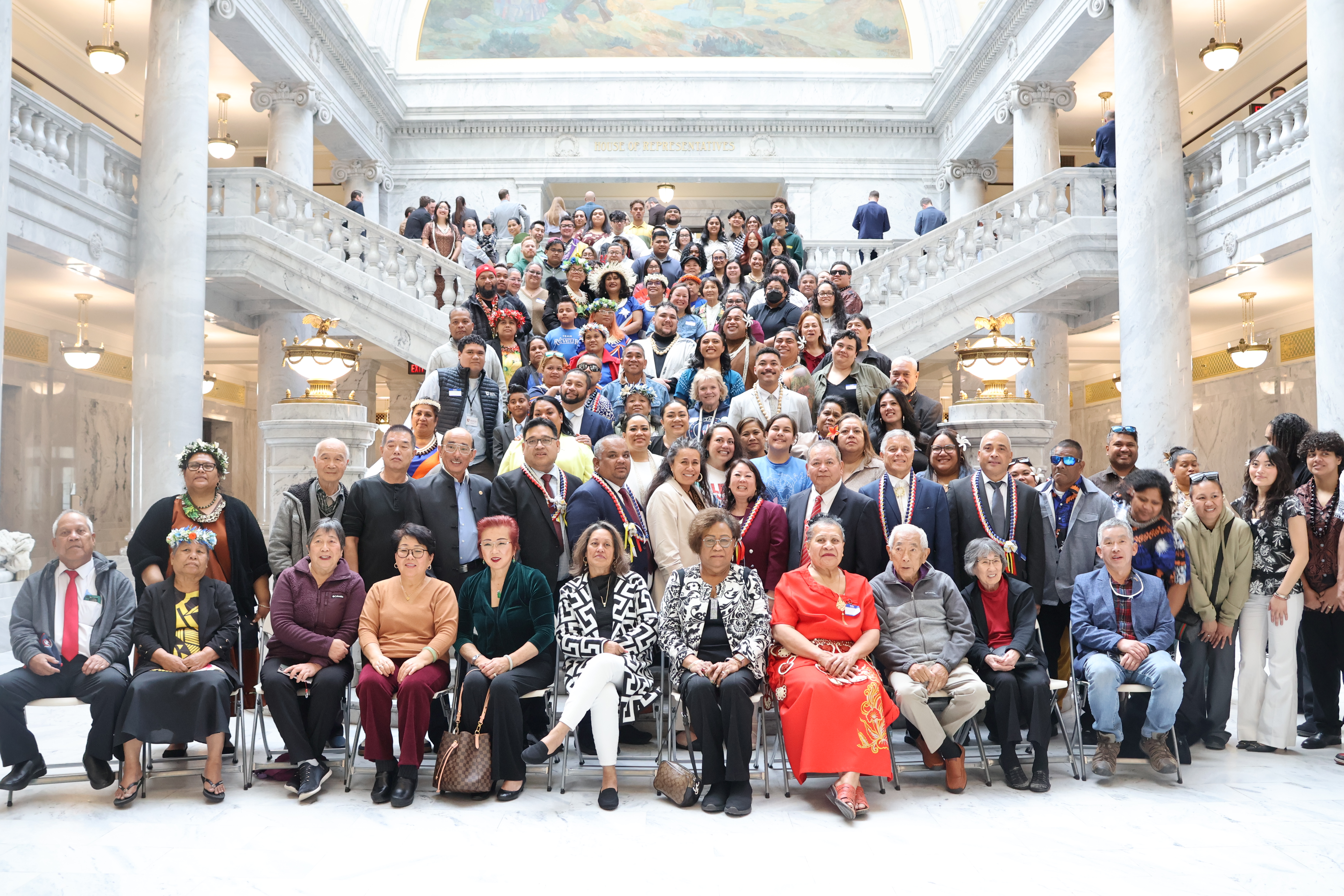
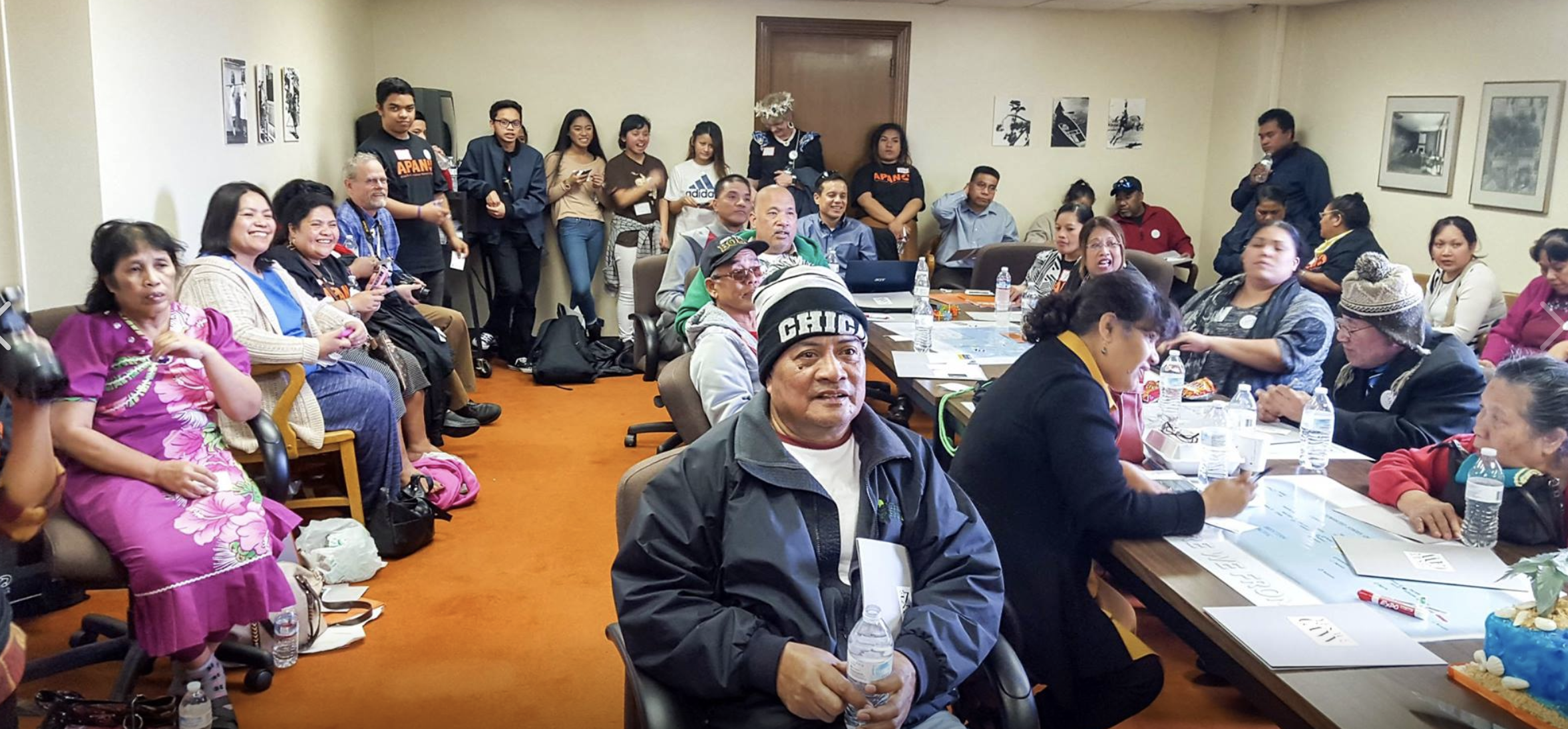
B 553- The COFA/Refugee Equity Tuition bill will provide in-state tuition rates for all COFA citizens and Special Immigrant Visa (SIV) refugees in Oregon Higher Education Colleges and Universities. It is estimated that it may impact 100 COFA students and 10 or fewer refugee students. The bill will significantly increase the numbers of these students that reach their goal of getting a bachelor’s degree or beyond. It is estimated that as low as 20% of those enrolled will be able to graduate due to the burden of paying the out of state tuition premium. While some are fortunate to receive financial aid from home, most simply have to drop out after a year or two. The Higher Education Coordinating Commission (HECC) is currently working to
determine the funding mechanism for the bill such that the universities are held harmless for the negative budgetary impacts. This is especially true for Eastern Oregon University (EOU) in
La Grande, Oregon which provides a unique multicultural program for COFA students. The funding for this bill is included in the Governor’s budget.
Oregon Senate Bill 1553 (often referred to in the context of B 553 or the COFA/Refugee Equity Tuition bill) is a legislative effort designed to expand access to higher education by granting in-state tuition rates to specific groups of non-citizen residents.
Historically, many students living in Oregon under specific legal statuses were charged international or out-of-state tuition rates, which are significantly higher than the rates paid by Oregon residents. This bill addresses that financial barrier.
Key Provisions of the Bill
1. Inclusion of COFA Citizens
The bill primarily targets citizens of the Compact of Free Association (COFA) nations, which include:
- The Republic of the Marshall Islands
- The Federated States of Micronesia
- The Republic of Palau
Under the Compact, these individuals can live and work in the U.S. legally, but they were not always automatically granted “resident” status for tuition purposes. This bill ensures they qualify for in-state rates at public universities and community colleges.
2. Expanded Refugee and Humanitarian Status
The bill extends resident tuition eligibility to several other categories of arrivals, including:
- Refugees and Asylees: Individuals granted formal protection by the U.S. government.
- Special Immigrant Visa (SIV) Holders: Often individuals (and their families) who worked with the U.S. Armed Forces overseas (e.g., in Afghanistan or Iraq).
- Humanitarian Parolees: Individuals allowed into the U.S. temporarily for urgent humanitarian reasons.
3. Requirements for Eligibility
To qualify for the resident tuition rate under this bill, students typically must:
- Demonstrate that they are currently residing in Oregon.
- Be enrolled in a public university or a community college within the state.
Why This Matters
The primary goal of the legislation is economic and social equity. By lowering the cost of degree and certificate programs, the state aims to:
- Increase Workforce Participation: Helping displaced persons and COFA citizens gain the credentials needed for high-demand jobs in Oregon.
- Reduce Financial Burdens: Preventing students from taking on massive debt or dropping out due to the “out-of-state” price tag.
- State Integration: Recognizing these populations as vital members of the local community who contribute to the state’s tax base and culture.
Note: While the bill covers tuition rates, it does not always automatically guarantee eligibility for federal financial aid (FAFSA), as those rules are set at the federal level, though it often opens doors for state-based aid like the Oregon Opportunity Grant.